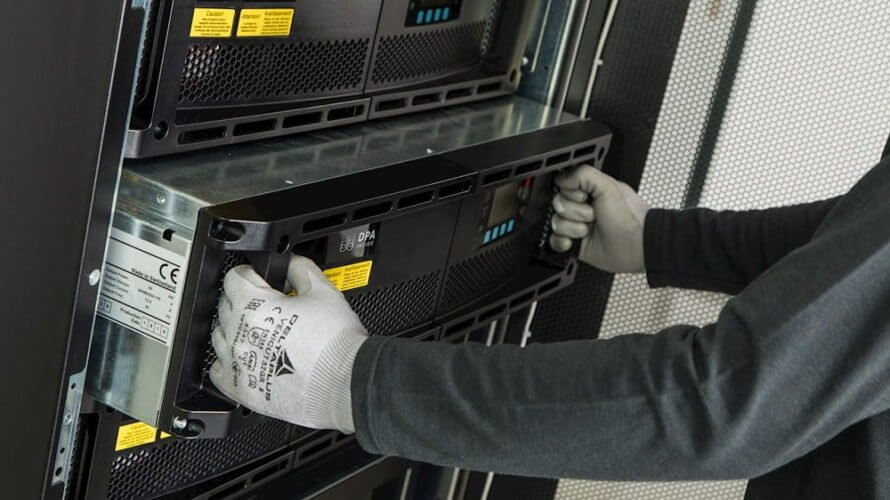
In today’s fast-paced world, where technology is at the center of every business operation, uninterrupted power supply (UPS) systems play a crucial role in ensuring the continuous operation of various electronic devices and equipment.
This article explores the importance of UPS maintenance, its benefits, and best practices to ensure your business runs smoothly even during power outages.
What is a UPS system?
A UPS system is a device that provides backup power when the main power source fails. It protects sensitive electronic equipment from power fluctuations and complete outages, giving systems enough time to shut down properly or switch to alternative power sources.
Components of a UPS system
A UPS system consists of several key components, including:
Rectifier - The rectifier converts incoming AC power into DC power while charging the battery.
Battery Bank - Batteries store energy to be used during power outages. Regular inspections and replacements are essential to maintain optimal performance.
Inverter - The inverter converts stored DC power back into AC power for distribution to connected devices.
The importance of UPS maintenance
Regular maintenance is essential to ensure your UPS system operates effectively when needed. Here’s why:
Reliability - Scheduled maintenance minimizes the risk of unexpected failures during critical moments.
Longevity - Proper maintenance extends the lifespan of UPS components and reduces the need for frequent replacements.
Cost savings - Preventive maintenance is more cost-effective than dealing with downtime and repairs.
Best practices for UPS maintenance
Visual inspections - Regularly check UPS components for signs of wear, corrosion, or physical damage.
Battery testing - Perform routine battery tests to ensure they can provide power when needed. Replace weak batteries immediately.
Dust and debris - Keep the UPS system and its surroundings clean to prevent dust buildup that can affect performance.
Temperature control - Maintain optimal operating temperatures to prevent overheating that can damage sensitive components.
Software updates - Keep UPS management software up to date for effective monitoring and diagnostics.
Common UPS problems and their solutions
Battery Failure
Problem: The UPS cannot provide backup power.
Solution: Replace the batteries and perform a self-test.
Overload
Problem: The UPS is overloaded, causing frequent shutdowns.
Solution: Distribute the load evenly or upgrade to a higher-capacity UPS.
Internal Faults
Problem: The UPS emits unusual noises or smells.
Solution: Contact a professional technician for repair.
Conclusion
Uninterruptible power supply maintenance is an essential aspect of any business’s operational continuity strategy. By following best practices and performing regular maintenance, you ensure that your UPS system remains reliable, efficient, and ready to protect your critical equipment. Do not leave your business vulnerable to power interruptions—invest in UPS maintenance today.
