When was the last time you thought about wiring in your home or office?
Unless an issue like a short circuit or power outage occurs, you probably do not think about it. However, behind every electrical system, there is something that ensures your safety and the integrity of wiring—electrical conduits.
The importance of electrical conduits in modern electrical systems cannot be overstated. These conduits protect electrical wires from damage, prevent fire hazards, and ensure the longevity and efficiency of your entire electrical network. With advances in materials and technology, electrical conduits now offer superior safety, flexibility, and durability, making them indispensable in both residential and industrial applications.
What Are Electrical Conduits?
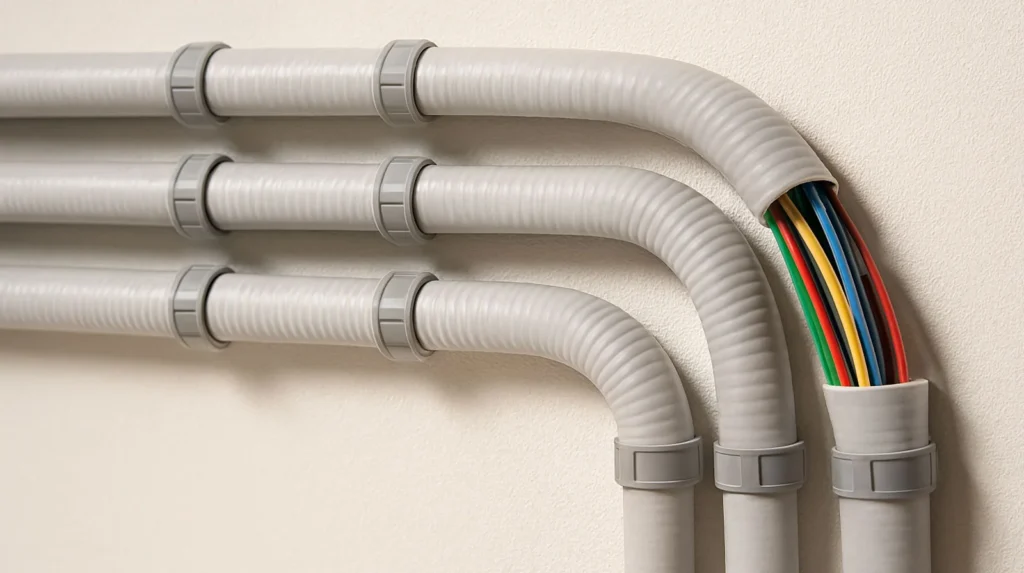
Understanding the importance of electrical conduits in modern electrical systems begins with knowing what they are. They are protective tubes made of PVC, metal, or fiberglass that safeguard electrical wiring from damage and environmental factors such as moisture or corrosion.
Conduits are used to provide a safe pathway for electrical wires, ensuring that the wiring remains intact and functional. They also offer additional benefits such as preventing electrical fires by containing sparks or short circuits. Without conduit pipes, electrical wiring would be far more vulnerable to external damage and environmental hazards.
Why Are Electrical Conduits Important for Modern Electrical Systems?
1. Protection from Physical Damage
One of the primary roles of electrical conduits is to create a physical barrier that protects electrical wiring from damage. In environments where wiring is exposed to heavy traffic, impact, or extreme conditions (such as construction sites or outdoor installations), conduits act as a safeguard. This protection prevents wires from being cut, scraped, or bent, ensuring the system remains functional and safe.
When installing electrical conduits in high-traffic areas, metal conduits such as EMT (Electrical Metallic Tubing) are preferred because they offer superior protection against impact and punctures compared to plastic conduits.
2. Fire Protection and Safety
Another critical aspect of the importance of electrical conduits in modern electrical systems is their contribution to fire safety. By containing sparks or electrical arcs, they help prevent potential fires and improve building safety standards.
For systems where fire safety is critical, especially in commercial or industrial applications, using fire-resistant conduit materials such as galvanized steel or fire-rated coated conduits is essential for compliance with safety standards.
Types of Electrical Conduits
1. PVC Conduit
Polyvinyl chloride (PVC) conduit is widely used in residential and commercial electrical installations. It is lightweight, easy to work with, and resistant to corrosion, making it ideal for outdoor or wet locations.
Advantages: Affordable, lightweight, easy to install, resistant to chemicals and corrosion.
Disadvantages: Less durable in high-impact environments; can become brittle over time when exposed to UV light.
2. EMT (Electrical Metallic Tubing)
EMT is a lightweight, thin-walled steel conduit. It is widely used in commercial and industrial installations due to its balance of strength, flexibility, and efficiency.
Advantages: Excellent protection against impact, cost-effective, easy to bend.
Disadvantages: More expensive than PVC and prone to corrosion if not properly coated.
3. Flexible Conduit
Flexible conduit, often made from materials such as aluminum or steel, is ideal for areas where wiring needs to be maneuvered around corners or tight spaces. It is commonly used in machine connections or where frequent adjustments are required.
Advantages: High flexibility, easy to install in tight or awkward spaces.
Disadvantages: Provides less physical protection compared to rigid conduits.
How Do Electrical Conduits Contribute to Regulatory Compliance?
1. Compliance with Safety Standards
Electrical installations must meet strict safety regulations to ensure the safety of both users and property. Conduit systems help installations comply with national and international electrical codes. These codes require electrical wiring to be either enclosed in conduit or properly sheathed to ensure safety and minimize risks.
Before starting installation, always check local electrical codes to ensure the correct type of conduit is used for the intended application. This prevents costly rework and ensures legal compliance.
2. Durability and Longevity
Choosing the right electrical conduit ensures that wiring lasts for years without requiring frequent repairs or replacements. Conduits made from high-quality materials such as PVC or galvanized steel resist corrosion, impact, and environmental wear, significantly extending the lifespan of the electrical system.
How to Choose the Right Electrical Conduit for Your Project
1. Assess Your Environment
The environment where the conduit will be installed plays a crucial role in determining the type of conduit to use. For outdoor installations, choose corrosion-resistant materials such as PVC or metal-coated conduits. For areas exposed to physical damage or fire risk, opt for heavier-duty materials like steel or aluminum.
2. Consider Wiring and Voltage
The type of wiring used, as well as voltage levels, also influence conduit selection. For example, higher-voltage systems require conduits with better insulation and physical protection to ensure safety and efficiency.
Conclusion
The importance of electrical conduits in modern electrical systems lies in their unmatched ability to protect wiring, prevent fire hazards, and ensure electrical reliability. Whether upgrading or installing a new system, using quality electrical conduits ensures safety, compliance, and long-term performance.
Remember that choosing the right conduit material based on your environment, safety requirements, and budget is essential. If you are unsure, consulting a professional electrician can help you make the best decision for your specific needs.
