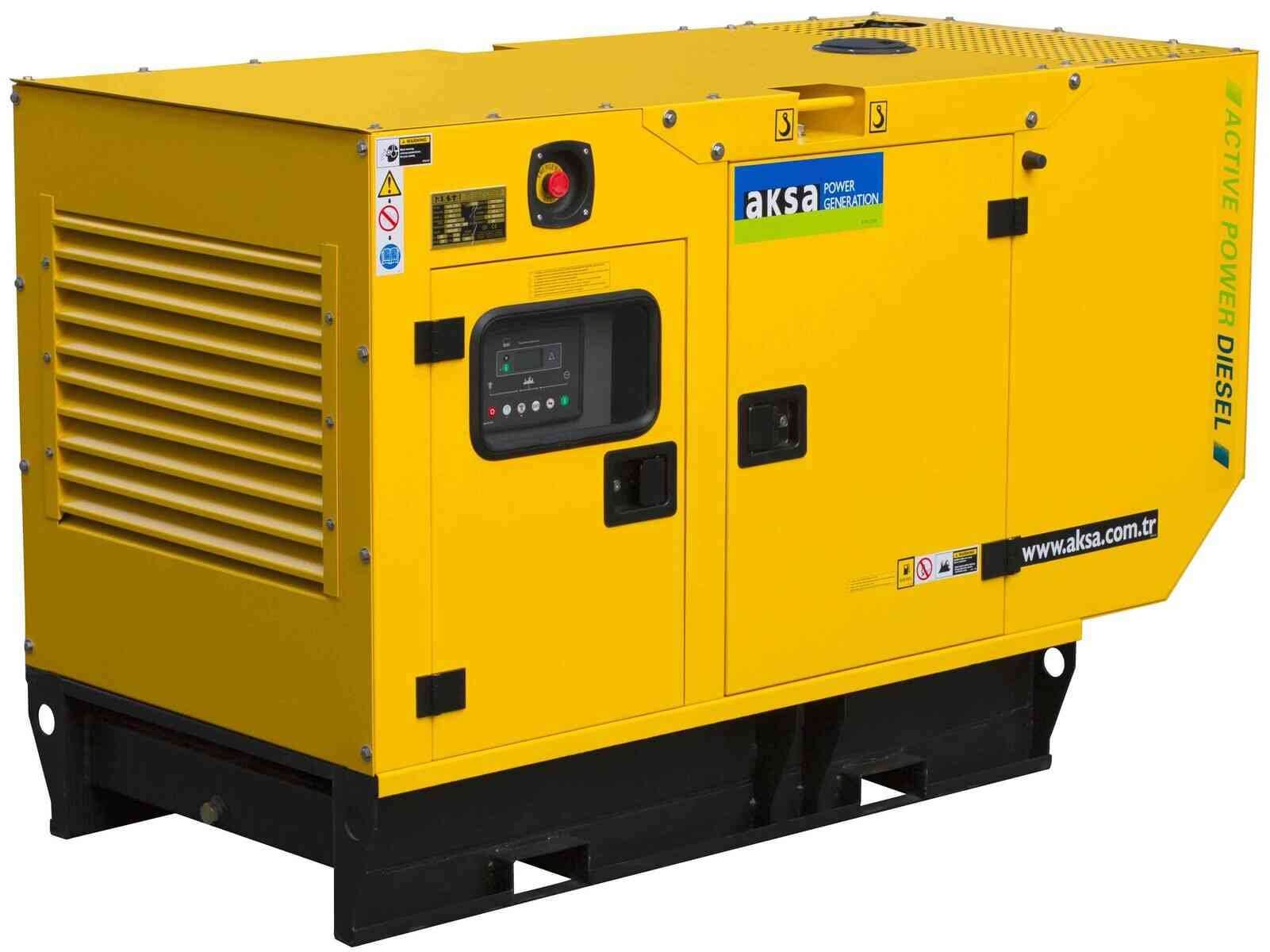
The voltage stabilizer used in generators is an external power device that is useful for regulating the voltage level that occurs during the use of diesel, gasoline, and portable generator devices.
Although most generators are equipped with an internal AVR (Automatic Voltage Regulator), fluctuations in the voltage level may sometimes occur.
In practical applications, voltage fluctuations remain one of the main causes of failure of household and industrial devices, unexpected shutdowns, and consequently the shortening of their service life.
Why Is Voltage Fluctuation in Generators a Real Problem?
The output voltage of a generator is almost never completely stable. The reasons for this may include:
• Sudden load changes (motors, compressors, welding equipment)
• Changes in the speed of the generator engine
• Unreliable fuel supply and aging generators
• Longer cables and unbalanced phase loads
These are problems that are more commonly associated with portable generators and standby generators. Therefore, stabilizing the voltage becomes an important factor to consider when supplying power to equipment.
How Does a Voltage Stabilizer Work with a Generator?
The voltage stabilizer continuously monitors the output voltage of the generator and adjusts any fluctuations to the required level before transferring the energy to the device.
This works as follows:
• Increases the input voltage when it is too low (Step-up)
• Decreases the input voltage when it is too high (Buck Voltage)
Together with the internal AVR (Automatic Voltage Regulator) of the generator, the stabilizer acts as an additional protective mechanism and ensures a stable, safe flow of energy.
Types of Voltage Stabilizers Suitable for Generators
Servo Voltage Stabilizer (AVR Type)
• High accuracy
• Smooth and stable voltage regulation
• Designed for CNC equipment, medical devices, and control systems
Static / Digital Voltage Stabilizer
• Fully electronic control
• Fast response time
• More suitable for sensitive electronics, servers, and communication equipment
Relay-Based Voltage Stabilizer
• Cost-effective solution
• Suitable for residential properties, commercial areas, and light industrial generators
• Suitable for non-critical loads that require lower switching speed for voltage correction
How to Choose the Right Stabilizer for Your Generator?
Power Compatibility
A stabilizer with a rated power 10–25% higher than the maximum output power of the generator should be selected to safely handle starting currents.
Load Characteristics
• Sensitive electronics → Static or digital stabilizer
• Motors, pumps, welding machines → Powerful AVR or servo stabilizer
Input Voltage Range
The input range of the stabilizer must fully cover all voltage variations that the generator may produce.
Response Speed
Fast correction is critically important when loads start or stop suddenly.
Typical Application Areas
Backup generators for homes – protects household appliances and electronics
Industrial generators – reduces downtime and equipment wear
Medical facilities – provides stable and reliable power
Data centers and servers – prevents system crashes and data loss risks
Installation and Safety Tips
• Proper grounding must always be ensured
• The stabilizer should be installed between the generator and the load
• Use models specifically designed for generator use
• Consult a professional electrician for three-phase or high-power applications
