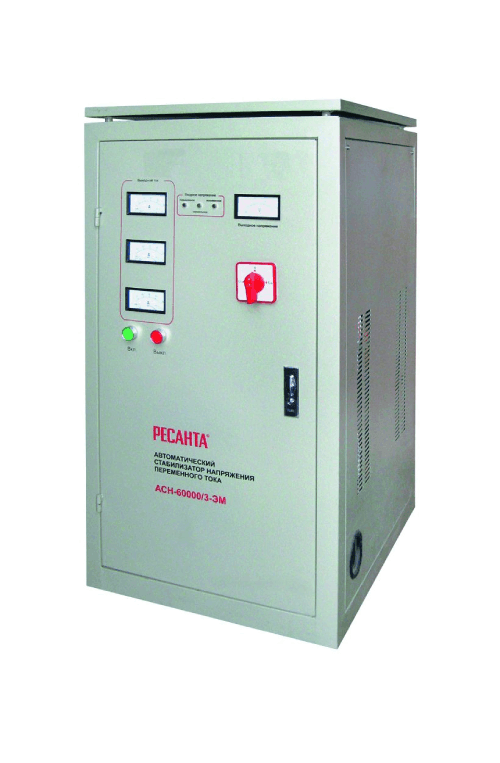
 Voltage instability is one of the main causes of microwave oven failure, especially in areas where electrical energy is not stable.
A voltage regulator (AVR) designed for a microwave oven ensures that your device receives stable and reliable power, preventing damage to important components such as the magnetron, transformer, and control PCB board.
• Suitable for both household and commercial microwave ovens
• Wide input voltage range (optional 90V–300V)
• Fast protection system during high and low voltage conditions
Available Models
0.5 kVA – 400W – input range 90–270V – suitable for small microwave ovens.
1 kVA – 800W – input range 100–280V – ideal for home use.
2 kVA – 1600W – input range 120–280V – suitable for medium-power household appliances.
5 kVA – 4000W – input range 140–280V – designed for commercial kitchens.
10 kVA – 8000W – input range 90–300V – suitable for industrial and heavy-duty operation.
Additionally, custom voltage ranges and different socket types are available upon special order.
Main Protection Features
High and Low Voltage Protection
When the voltage exceeds safe limits, the system automatically cuts off power. This prevents overheating and damage to the electrical circuit.
Smart Delay System (5–10 seconds)
Prevents the device from immediately restarting after a power outage. This feature protects internal components from sudden voltage surges.
Digital Monitoring Display
Displays input and output voltage in real time and allows quick detection of malfunctions.
Complete Protection System
• Overvoltage protection
• Undervoltage protection
• Overload protection
• Short circuit protection
How to Choose the Right Stabilizer for Your Microwave Oven?
Choosing the right stabilizer is not only about power matching; it is also important to consider starting load and grid voltage instability.
Step 1: Check the Rated Power
For example:
1000W microwave oven → minimum 1.5kVA stabilizer is recommended
Reason: Microwave ovens, especially commercial models, draw high inrush current at startup.
Step 2: Evaluate the Grid Voltage
• Stable grid → 140–280V is sufficient
• Unstable and rural areas → 90–300V is more suitable
Step 3: Choose the Right Technology
Relay-type stabilizer – suitable for home use – cost-effective option.
Servo stabilizer – ideal for commercial kitchens – provides smoother and more precise regulation.
Static stabilizer – suitable for sensitive equipment – offers instant response.
Step 4: Consider Usage Frequency
• Continuous use → Servo stabilizer recommended
• Occasional use → Relay stabilizer is sufficient
Why Does Your Microwave Oven Need a Voltage Stabilizer?
Microwave ovens are more sensitive than many household appliances because they contain components that operate at high voltage.
Unstable voltage can cause:
• Overheating and failure of the magnetron
• Reduced heating efficiency
• Damage to PCB/control board
• Frequent malfunctions
• Reduced service life of the device
A stabilizer ensures stable performance and significantly reduces maintenance costs.
Typical Application Areas
• Household microwave ovens
• Restaurants and commercial kitchens
• Hotels and catering services
• Food processing facilities
• Small industrial heating equipment
Conclusion
Although microwave ovens are widely used household and commercial appliances, their internal components are highly sensitive to voltage fluctuations. A properly selected voltage stabilizer protects the device from the negative effects of high and low voltage, ensures stable operation, and extends its service life. Especially in areas with unstable power supply, using a stabilizer is an important solution for both safety and long-term cost savings.
