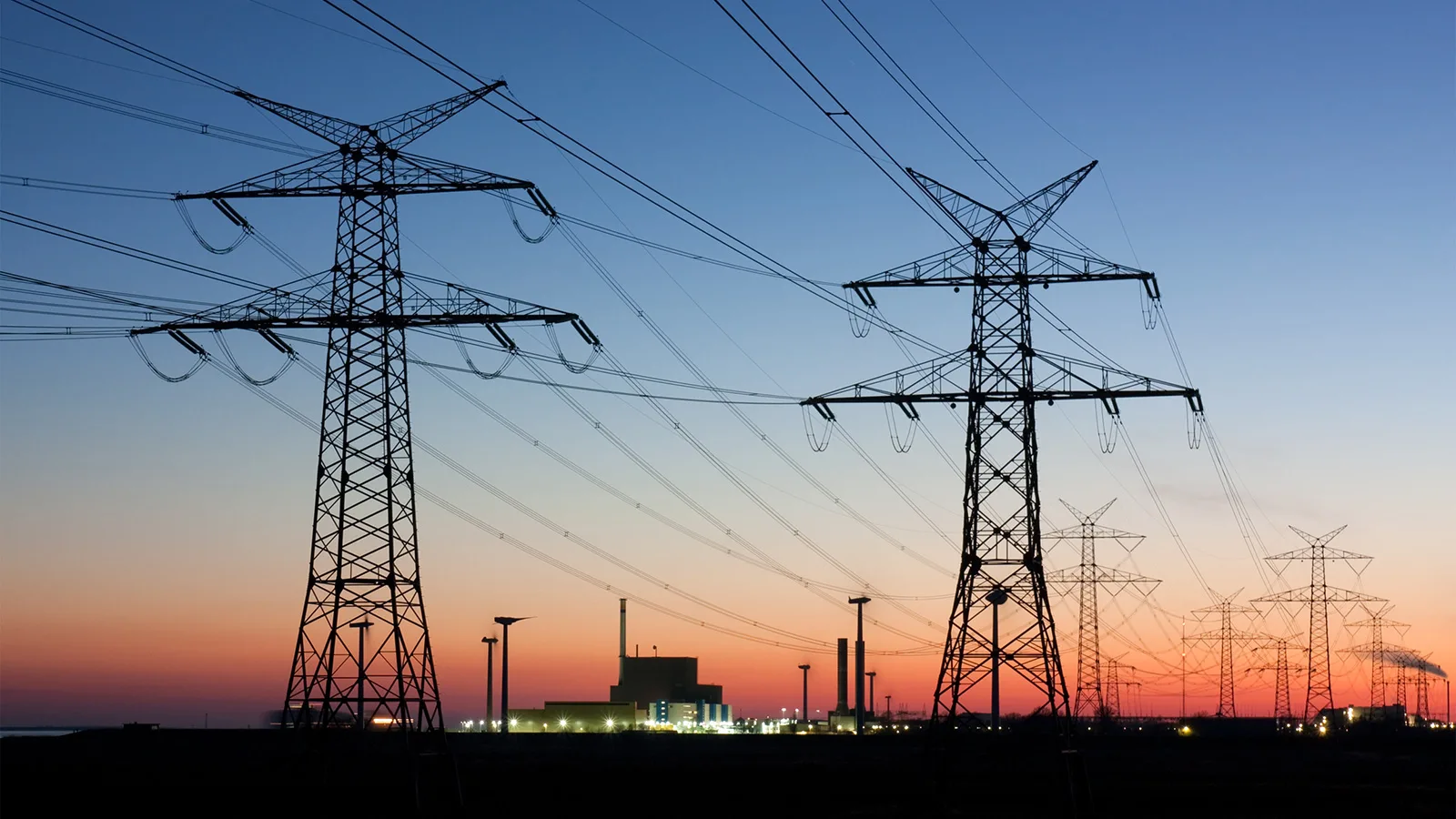
Electrical energy transmission is one of the most important stages of the power system. It ensures the safe and efficient delivery of electricity from power plants to consumers. However, during transmission, a certain amount of energy is lost as heat due to technical factors such as conductor resistance, reactive power effects, and outdated equipment.
Reducing energy losses is essential for improving the efficiency of power networks, lowering electricity costs, and creating a more reliable and sustainable energy system.
Main Causes of Energy Losses in Transmission Lines
The main factors that cause energy losses include:
• Resistance losses: When electric current flows through conductors, part of the electrical energy is converted into heat due to the resistance of the wires.
• Reactive power losses: These occur because of the interaction between inductive and capacitive components in electrical networks.
• Aging infrastructure: Old transmission equipment and outdated technologies reduce overall system efficiency.
• Poor maintenance: Lack of regular inspections and repairs increases technical losses.
• Long transmission distances: Longer transmission lines create higher resistance and greater energy losses.
• Skin effect and proximity effect: At high frequencies, uneven current distribution in conductors causes additional losses.
Methods to Reduce Energy Losses
Using High-Voltage Transmission Systems
High-voltage transmission allows the same amount of power to be transferred with lower current. Since power losses are proportional to the square of current, reducing current significantly decreases heat losses in conductors.
Optimizing Transmission Distance
Shorter transmission routes help minimize energy losses. This can be achieved by:
• Locating power generation facilities closer to consumption areas;
• Using distributed energy generation systems;
• Reducing unnecessary long transmission routes.
Reactive Power Compensation
Reactive power losses can be reduced by using compensation equipment such as:
• Shunt capacitors;
• Reactors;
• Reactive power control systems.
These technologies improve voltage stability and increase the efficiency of electricity networks.
Using High-Quality Conductors
The choice of conductor material has a major impact on transmission efficiency. Common solutions include:
• Copper conductors;
• Aluminum conductors;
• HTLS (High Temperature Low Sag) conductors.
These materials provide better performance and lower energy losses.
Applying Underground Transmission Systems
In certain areas, underground cables provide a safer and more efficient transmission solution. Their advantages include:
• Better protection from external conditions;
• Reduced environmental impact;
• Effective use in densely populated areas.
Using Energy-Efficient Transformers
Modern high-efficiency transformers help reduce core and winding losses. They improve network performance, decrease operational costs, and increase overall energy efficiency.
Implementing Smart Grid Technologies
Smart Grid systems allow real-time monitoring and management of electricity networks. Their benefits include:
• Faster fault detection;
• Optimized energy flow;
• Reduced transmission losses.
Regular Maintenance and System Upgrades
Continuous maintenance is necessary for reliable operation. Important actions include:
• Regular equipment inspections;
• Replacement of damaged components;
• Modernization of outdated systems;
• Preventive maintenance activities.
Energy losses in transmission lines are one of the major challenges in modern electricity systems. These losses increase operational costs and reduce the efficient use of energy resources.
By applying advanced technologies, improving transmission infrastructure, using efficient equipment, and implementing smart energy management systems, transmission losses can be significantly reduced. Lower energy losses contribute to a more reliable, cost-effective, and sustainable power network.
