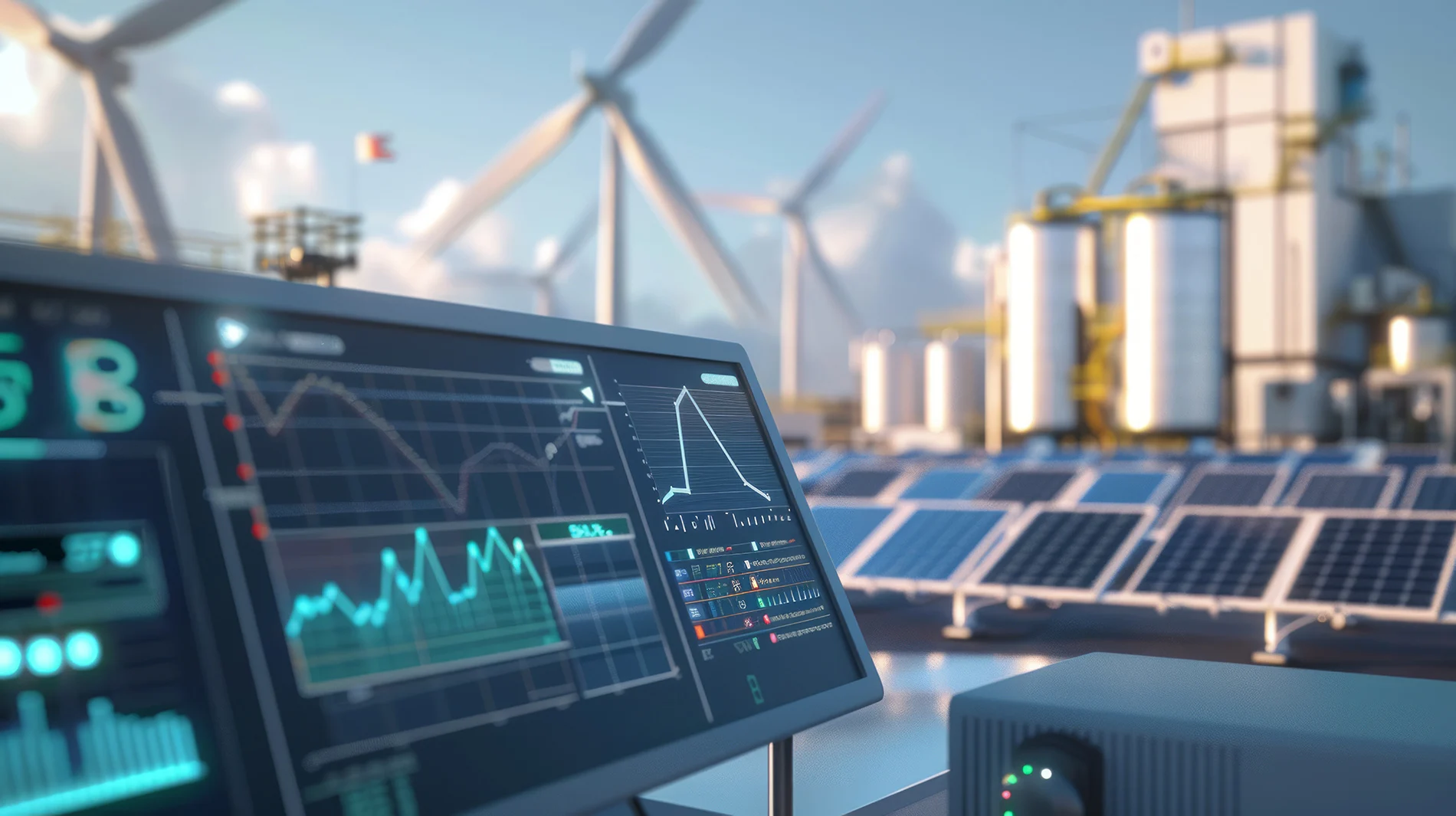
In the modern industrial sector, energy saving and improving energy efficiency have become increasingly important. One of the main reasons for this trend is the continuous increase in the prices of electricity, heating, and other energy resources. Large industrial enterprises consume significant amounts of electricity; therefore, optimizing energy costs has become a critical factor in their economic performance.
Developing an effective energy management and energy-saving strategy is essential for reducing production costs and ensuring more efficient use of energy resources. The increase in electricity prices directly affects the cost of manufactured products because energy-related expenses represent a significant part of the final product cost.
In many cases, the share of energy costs in product prices is higher compared with some other countries. This situation may negatively affect the competitiveness of local products and equipment in global markets. Therefore, industrial enterprises should pay special attention to energy efficiency, energy conservation, and effective energy management.
The limited implementation of energy-saving measures in some industrial enterprises is mainly related to the lack of qualified specialists, insufficient motivation, and weak incentive mechanisms. However, numerous organizational and technical solutions are available to reduce energy consumption.
Main Energy-Saving Methods in Industrial Enterprises
The first step toward reducing energy costs is creating proper motivation and increasing awareness of energy efficiency. The main economic motivation is the financial savings achieved through efficient use of energy resources.
Energy-saving measures in industrial enterprises can generally be divided into two main categories: organizational and technical measures.
1. Organizational Measures
The main organizational measures include:
• Conducting regular energy audits.
• Establishing internal financial control and accurate energy cost accounting systems.
• Developing energy-saving and efficiency improvement action plans.
• Planning and managing commercial and technical electricity consumption.
• Training employees and increasing awareness of modern energy-saving technologies.
2. Technical Measures
Although technical measures require initial investment and technical preparation, they provide greater economic benefits in the long term.
The main technical solutions include:
Installation of heat metering systems
These systems help monitor heating consumption and can reduce energy costs by approximately 20–30%.
Replacement of traditional heating systems with underfloor heating systems
Modern underfloor heating technologies provide higher efficiency and help reduce heating expenses.
Use of modular mini-boiler houses
Installing modular boiler systems in remote industrial facilities helps reduce energy losses and operational costs.
Application of PGU, GTS, and GTU-based generator systems
These technologies reduce dependence on external energy sources and significantly lower electricity expenses.
Application of variable frequency drives for electric motors
Using frequency converters in ventilation systems, pumping stations, and variable-load equipment can reduce electricity consumption by up to 40%.
Optimization of equipment operating modes
Proper management of production processes helps reduce energy losses and improve equipment efficiency.
Installation of start relay systems
These systems improve the operation of electrical equipment, extend lamp service life, and reduce energy consumption.
Using secondary raw materials as energy resources
Industrial waste, wood residues, and energy recovered through ventilation system recovery units can be used as alternative energy sources. In some cases, this method provides energy at a lower cost than conventional sources.
Reduction of heat losses
The following measures can be applied:
• eliminating thermal bridges in building structures;
• installing solar collectors;
• using solar panels;
• improving building insulation and airtightness;
• installing heat pump systems.
Improving energy efficiency in industrial enterprises requires financial investment and technical resources; however, these measures provide significant economic advantages in the long term. Many energy-saving projects achieve their payback within several years.
Through the implementation of effective energy management systems, modern technologies, and optimized production processes, industrial enterprises can significantly reduce energy consumption, lower production costs, and improve their competitiveness in domestic and international markets.
