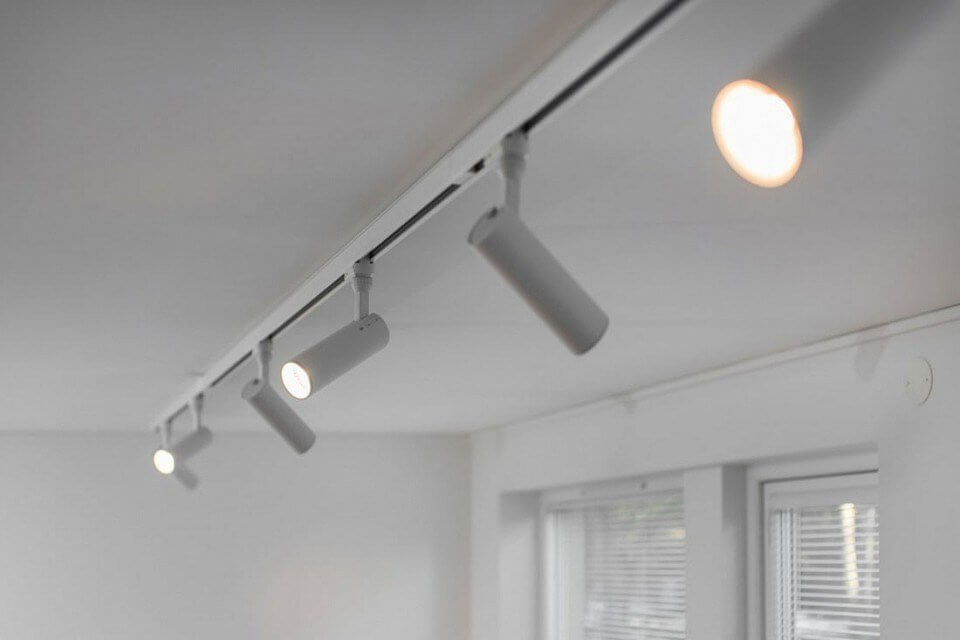
Track lighting has become increasingly popular in modern homes, offices, retail stores, and commercial spaces thanks to its flexibility, minimalist appearance, and ability to direct light exactly where it is needed.
But with so many designs and technical options available, choosing the right track lighting system can sometimes be challenging.
In this guide, we will explore what track lighting is, its main types and advantages, and the key factors to consider when selecting the right LED track lighting system.
What Is Track Lighting?
Track lighting is a lighting system in which multiple light fixtures are mounted on a continuous track installed on a ceiling or wall. Unlike conventional lighting systems, the track provides both structural support and electrical power to the fixtures.
One of the key advantages of track lighting is that the light heads can be repositioned along the track and directed toward different areas. This makes track lighting a practical solution for homes, offices, retail stores, restaurants, galleries, and other commercial spaces.
Track lighting is particularly useful for highlighting artwork, decorative objects, architectural details, products, and specific work areas. Depending on the layout and selected fixtures, it can also provide general, task, or accent lighting.
What Are the Advantages of LED Track Lighting?
LED track lighting combines flexibility, modern design, and energy efficiency, making it a popular choice for contemporary spaces.
Flexible Lighting
Track heads can be moved along the track and adjusted in different directions. This allows the lighting arrangement to be modified when the needs of a space change.
Modern and Stylish Design
Track lighting systems are available in a wide variety of designs, colors, and finishes. Their minimalist appearance allows them to complement different interior styles.
Energy Efficiency
LED bulbs consume less electricity and generally have a longer service life than traditional incandescent and halogen bulbs. This can help reduce energy consumption, operating costs, and the need for frequent replacements.
Accent Lighting
Because the light can be directed toward specific objects or areas, track lighting is ideal for highlighting artwork, products, architectural features, and workspaces.
Types of Track Lighting
Track lighting systems can be classified according to their design, finish, and fixture type.
1. Based on Style
Modern Industrial Style:
Features a simple and functional appearance, often using geometric shapes and exposed lighting elements.
Contemporary Style:
Characterized by clean lines and streamlined designs, making it suitable for modern interiors.
Minimalist Style:
Focuses on simplicity and elegance, using a limited number of elements to create an effective lighting solution.
Smart Style:
Incorporates smart control technologies, allowing users to manage lighting settings and create customized lighting environments.
2. Based on Finish
Black:
Creates a bold and contrasting appearance and works particularly well in modern and industrial interiors.
White:
Provides a clean and neutral appearance that can easily blend with different interior styles.
Brushed Nickel:
Offers a subtle metallic finish and is well suited to contemporary interiors.
Polished Chrome:
Features a bright, reflective surface that creates a modern and decorative appearance.
Brass:
Provides warm golden tones and can add a premium and timeless character to an interior.
Dark Bronze:
Creates a warmer, more traditional appearance and can add an elegant touch to the space.
3. Based on Fixture Type
Linear Track Lighting:
A straight track system that can be extended depending on the requirements of the installation.
Swing Arm Track Lighting:
Features adjustable arms that can be rotated to direct light toward different areas.
Round Back Head:
A contemporary fixture design featuring a rounded rear section.
Pinhole Head:
A decorative fixture design that can provide a distinctive appearance and is suitable for accent lighting.
Pendant Track Lighting:
Pendant-style fixtures are suspended from the track and are often used for decorative purposes.
What Should You Consider When Buying LED Track Lighting?
When selecting track lighting, it is important to consider both the appearance and the technical specifications of the system.
Lumen Output
Lumens indicate the amount of light produced by a lamp. Lower lumen outputs may be suitable for ambient lighting, while higher outputs can be used for task or accent lighting.
Color Temperature
Color temperature is measured in Kelvin (K) and affects the atmosphere of a space.
- 2700–3000K: Creates a warm and comfortable atmosphere.
- 3500–4100K: Provides a neutral white appearance.
- 5000–6500K: Produces a cooler, daylight-like effect.
The appropriate color temperature should be selected according to the purpose and atmosphere of the space.
Beam Angle
The beam angle determines how widely light is distributed.
- 15–30°: Suitable for spot and accent lighting.
- 60–120°: More suitable for wider and general illumination.
Dimmability
If you want to control the brightness of your track lights, make sure the selected bulbs and fixtures are compatible with dimmer systems.
Compatibility
Always check whether the selected bulbs and fixtures are compatible with your track lighting system. Important specifications may include the socket or base type, voltage, and other technical requirements.
How to Install Track Lighting?
1. Plan the Layout
Before installation, determine which areas need to be illuminated. Decide whether you need ambient, task, or accent lighting and plan the position of the track accordingly.
2. Check Electrical Compatibility
Make sure the existing electrical system is suitable for the track lighting installation. If necessary, consult a qualified electrician.
3. Secure the Track Properly
The track should be securely mounted to the ceiling or wall using suitable mounting hardware. Always follow the manufacturer's installation instructions.
4. Install the Fixtures Correctly
Make sure each fixture is securely attached to the track and that the electrical contacts are properly connected. Loose connections can cause flickering or prevent the lights from operating correctly.
5. Test the System
After installation, test all fixtures to make sure they are working properly. Adjust the direction of the light heads to achieve the desired lighting effect.
